

THREE INDOOR AIR QUALITY CONSIDERATIONS BEFORE INSULATING OR AIR SEALING YOUR HOME
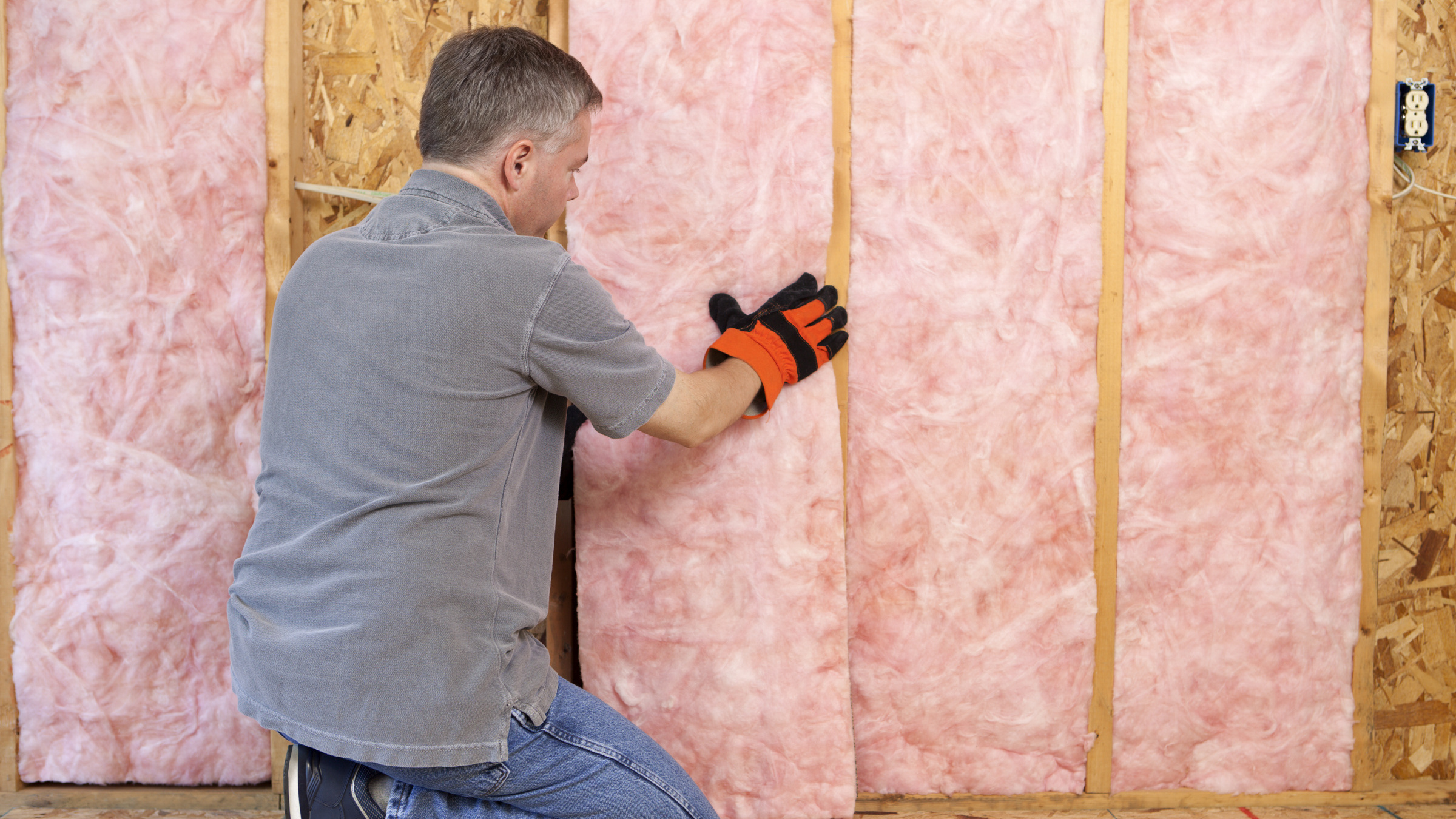
Improving your home’s building envelope by adding insulation and completing air sealing is one of the most effective strategies to reduce your energy use, helping you improve the comfort of your home and save on your energy bills.
There are many benefits to making sure your home is airtight, like reduced drafts and cold spots, more stable indoor temperatures, and keeping outdoor pollutants like dust, wildfire smoke, and pollen out. At the same time, proper ventilation is essential to ensuring good indoor air quality, especially in an airtight home or ones implementing air sealing measures, as this changes how air moves in and out of your home.
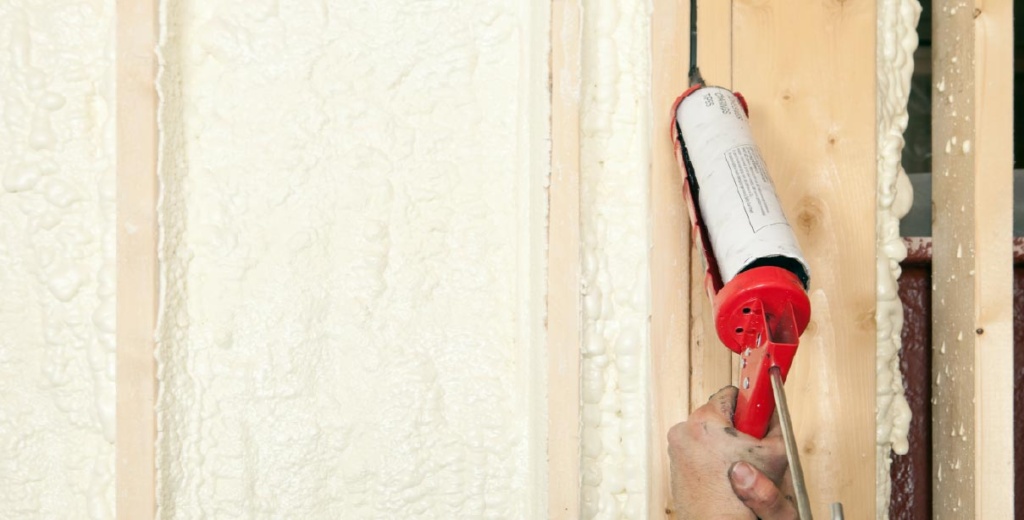
So, what should you know before completing insulation or air sealing upgrades? Here are three important indoor air quality considerations to understand before you get started, and what steps you can take to manage it.
RADON: WHY YOU SHOULD TEST BEFORE & AFTER HOME UPGRADES
Radon is an invisible, odourless, and tasteless radioactive gas that comes from the breakdown of uranium in soil and rock. When radon is released from the ground into the outdoor air, it’s diluted and isn’t a concern; however, in enclosed spaces, like your home, it can accumulate to high levels and become a risk to the health of you and your family. Radon is the second leading cause of lung cancer risk, and first among non-smokers.
Any building in contact with the ground should be tested for its radon levels. It’s recommended you complete radon testing both before and after completing building envelope retrofits to identify any changes in levels of radon within your home. Radon mitigation solutions are proven effective at reducing levels ‘as low as reasonably achievable’, an important radiation protection principle. If you decide to install a radon mitigation system, Manitoba Hydro offers financing to help with upfront costs. Qualifying households may also consider applying for financial support from the Canadian Lung Association.
Visit Health Canada’s website for more information about radon and refer to the Radon Reduction Guide for Canadians.
MANAGING MOISTURE & HUMIDITY IN AN AIRTIGHT HOME
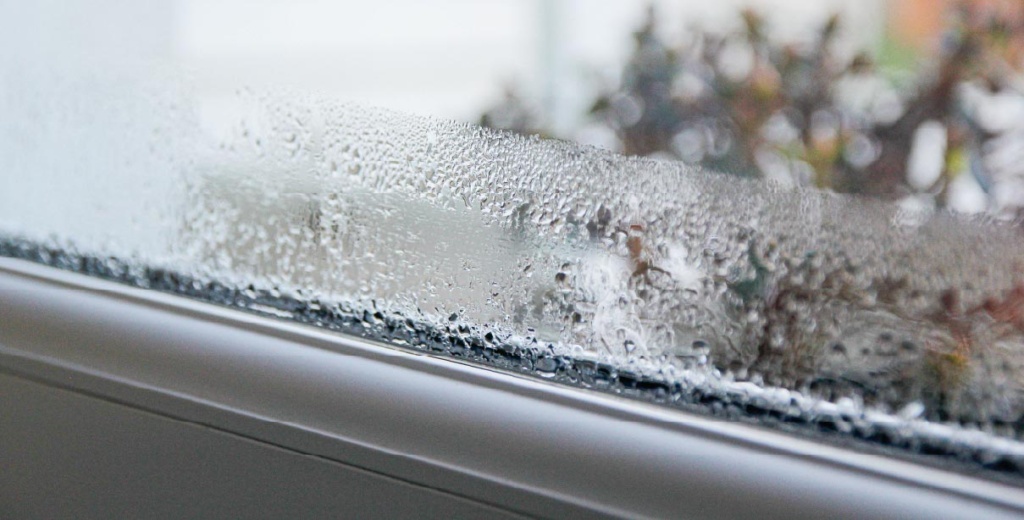
Everyday activities like cooking, cleaning, showering, laundry, and even breathing release moisture into the air in our homes. If that moisture isn’t managed, it may lead to high indoor humidity, causing condensation on windows or poorly insulated areas, uncomfortable damp conditions, and potentially mold growth over time. Ventilation is again a best practice strategy to manage moisture and humidity in your home. We also provide rebates for ENERGY STAR® certified window and door products and insulation retrofits, which can both reduce the risk of condensation.
Visit Natural Resources Canada’s guide Keeping the Heat In – Control of moisture flow for more information.
INDOOR POLLUTANTS: WHY VENTILATION MATTERS
Indoor air can contain a mix of pollutants that come from everyday activities and materials inside the home. Common examples include dust, pet dander, and pollen, as well as gases and chemicals released from cleaning products, paints, furniture, and building materials. Cooking can produce smoke and fine particles, while activities like using candles or fireplaces can also add contaminants to the air.
Without proper ventilation and filtration, pollutants can accumulate and affect the comfort and health of those inside the home — sometimes causing headaches, allergies, or respiratory irritation. This is why good ventilation is essential in energy-efficient buildings: it helps remove indoor pollutants and replace them with clean, fresh air.
THE SOLUTION: IMPROVE EFFICIENCY WHILE MAINTAINING HEALTHY INDOOR AIR
While you may be thinking that insulating and air sealing your home could cause poor indoor air quality, it’s actually recommended to improve energy efficiency. So, what’s that solution? Building science tells us to “build it tight, and ventilate right!”.
The key isn’t to avoid tightening your home — it’s to do it properly. To ensure that energy efficiency doesn’t come at the expense of indoor air quality, energy efficiency retrofits should be paired with intentional ventilation and strategies to maintain indoor air quality.
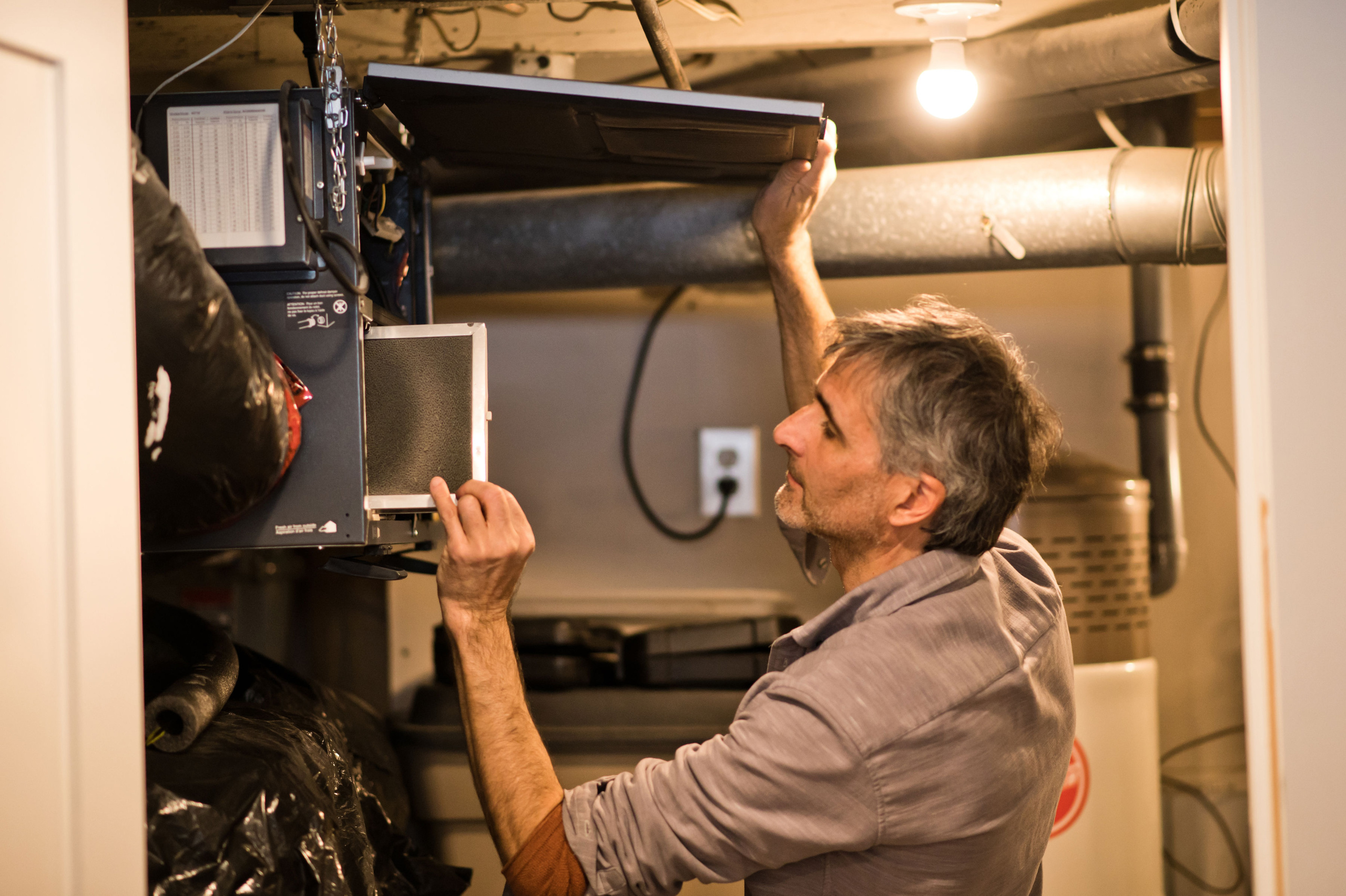
The best way to ensure proper ventilation is using a heat or energy recovery ventilator (HRV/ERV) which brings filtered fresh air into your home while exhausting air out of your home. This maintains indoor air quality and has many other benefits, like managing radon, humidity, odours, and pollutants. A contractor can help you determine which one is the right fit for your home.
Completing pre- and post-retrofit radon testing is also recommended to determine if radon mitigation is needed. While ventilation can potentially be used to reduce radon levels, if mitigation is necessary, the preferred solution is a dedicated system to provide active soil depressurization, which pulls radon and other soil gases from below your foundation and safely ventilates them outside.
Ultimately, improving energy efficiency and maintaining healthy indoor air go hand in hand. By taking a balanced approach — tightening your home while ensuring proper ventilation and considering radon and moisture control — you can create a living space that isn’t only more comfortable and cost-effective, but also safe and healthy for everyone inside.
Ready to start improving your home or business’s building envelope? We have programs and rebates to help make your upgrades easier and more affordable!
PROGRAMS & REBATES FOR YOUR HOME
Energy Efficiency Assistance Program
Free energy efficiency upgrades for income qualifying households. Now you can lower your monthly energy bill and make your home…

Métis Energy Efficiency Offers
Lower your energy bills and make your home more comfortable by getting free or subsidized energy efficient upgrades.

First Nation Energy Efficiency Program
We partner with your community on energy efficiency goals to reduce energy consumption and address bill affordability.

Home Insulation Rebate
Adding insulation to your home will help reduce your energy bills and improve comfort, and we provide rebates!
Windows & doors
Get a $100 rebate on each eligible window and door you install in your home, up to $2,000, and save…

Home energy retrofits
If you’re planning an extensive home renovation that will significantly reduce your home’s energy usage, your project could qualify for…
New Homes Program
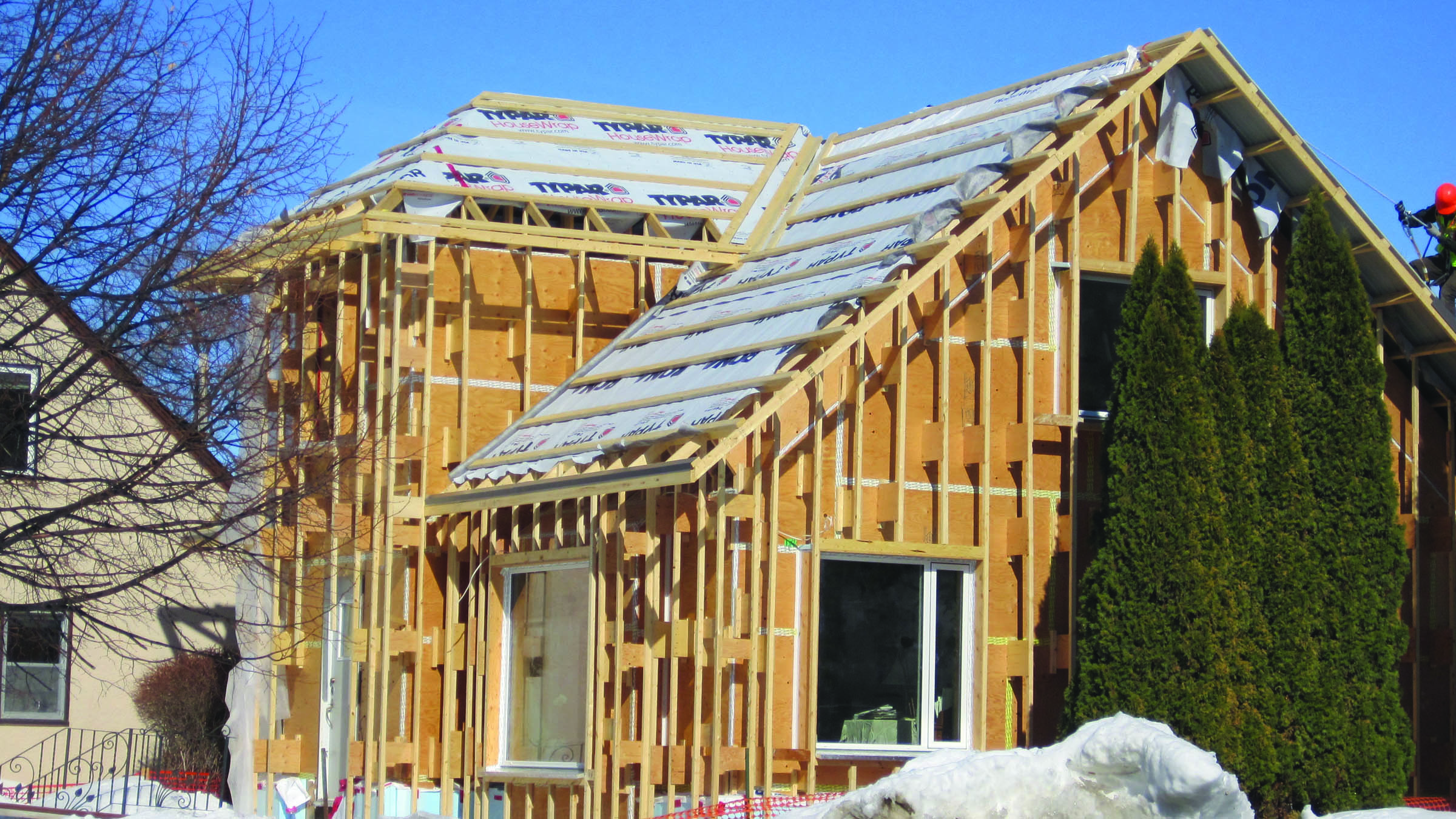
Our New Homes Program offers builders more than just a rebate. Get energy code compliance verification, optimization analysis, and more.

PROGRAMS & REBATES FOR YOUR BUSINESS
Building Envelope Program
We offer financial incentives for energy-efficient roof and wall insulation, doors, windows, and curtain wall system upgrades.

Commercial Deep Energy Retrofit Program
We offer incentives to help you undertake major energy efficiency renovations to your commercial building, helping you save energy, money,…
New Buildings Program
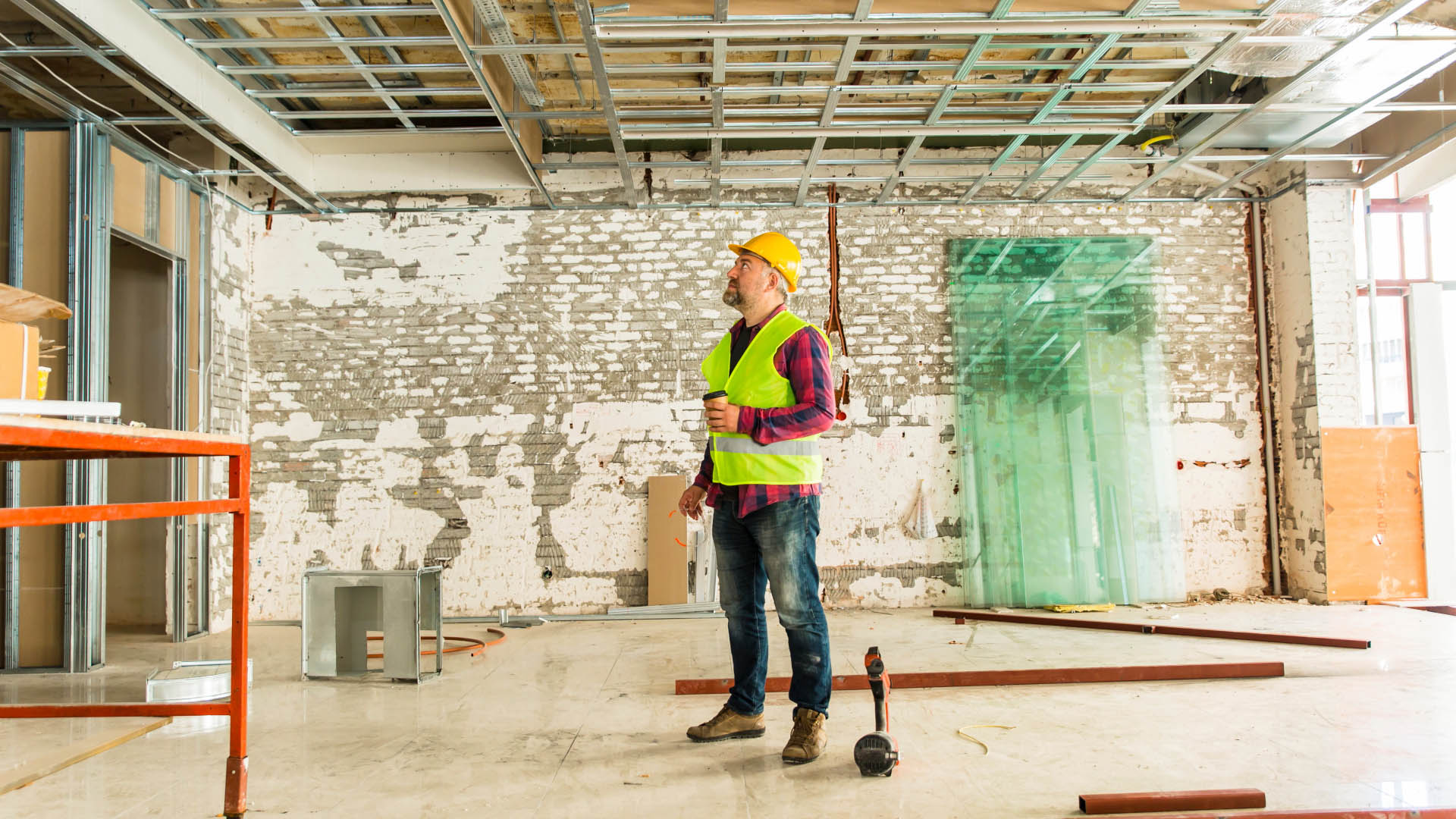
Incentives for the design and construction of new, energy-efficient commercial buildings and additions.