

SIZING, SELECTION & SETUP
SIZING
Sizing refers to the rated capacity of the heat pump to provide heating and cooling, typically stated in BTUs per hour at 47°F (or kilowatts at 8°C). Sometimes contractors will refer to a heat pump’s size in tons. Here are some common sizes for heat pumps:
| Tons | BTUs per hour | Kilowatts |
| 1.0 | 12,000 | 3.5 |
| 1.5 | 18,000 | 5.3 |
| 2.0 | 24,000 | 7.0 |
| 2.5 | 30,000 | 8.8 |
| 3.0 | 36,000 | 10.6 |
| 4.0 | 48,000 | 14.1 |
Sizing makes a big difference when it comes to the performance of your cold climate air source heat pump. An undersized heat pump will struggle to keep up with your home’s heating demand (even in mild weather) and it may even struggle to keep up with your home’s cooling demand in the summer. On the other hand, an oversized heat pump may have the capacity to heat your home on even the coldest days, but most of the year it may not perform efficiently. An oversized heat pump will spend much of the time cycling on and off (short-cycling), which often leads to higher energy costs and greater wear and tear on the equipment. Therefore, taking the time to decide which sizing option is best for your home will go a long way toward great performance for years to come.
Choosing the right size of heat pump for your house primarily depends on two things: your home’s heating and cooling load, and what you want your heat pump to do.
SIZING & LOAD
SIZING & YOUR OBJECTIVES
Once the heating and cooling loads are known, an appropriate size of heat pump can be selected for your needs and objectives. Natural Resources Canada outlines four potential strategies for sizing an air source heat pump:
- Option A: Emphasis on cooling
- Option B: Balance heating and cooling
- Option C: Emphasis on heating
- Option D: Principal heating source
Most Manitobans will likely benefit the most by following Option B (balance heating and cooling) or Option C (emphasis on heating).
Homeowners with an existing natural gas furnace may lean toward Option B (balancing heating and cooling), which sizes the heat pump somewhere between the home’s cooling load and its heating load. With this option, the heat pump provides all the home’s cooling, as well as heating in the shoulder seasons (spring and fall) and some mild winter days.
Homeowners with electric heat may lean toward Option C (emphasizing heating), which sizes the heat pump to provide all the home’s heat down to an outdoor temperature of about -8°C. The heat pump can still run below this temperature, but additional electric resistance heat is also required. Electrically heated homeowners may also select Option D (principal heating source) with the intent to displace as much electric resistance heating as possible within the operating limits of the heat pump and where the rated efficiency is beneficial.
SELECTION
Size certainly matters, but it’s not the only thing to look for in a heat pump. Here are some other factors to consider when making your selection:
EFFICIENCY
Several measures are used to rate ccASHP performance. In all cases, a higher number means better performance and lower energy cost. Here’s what to look for:
- HSPF (Heating Seasonal Performance Factor): This is the ratio of heat provided by the heat pump (in 1,000 BTUs) to the electrical energy consumed over a normal heating season. The factor most appropriate for Manitoba is the HSPF2 (Region V). A cold climate air source heat pump should have an HSPF2 (Region V) of at least 6.6.
- COP (Coefficient of Performance): This refers to the efficiency of the heat pump at a certain outdoor temperature. A cold climate air source heat pump should have a COP of at least 1.8 at -15°C.
- SEER (Seasonal Energy Efficiency Rating): This is similar to HSPF, but for the cooling season. A cold climate air source heat pump should have a SEER2 of at least 15.2.
HEATING CAPACITY MAINTENANCE
A cold climate air source heat pump loses heating capacity as the outdoor temperature drops. Capacity maintenance is calculated as the maximum heating output at -15°C divided by the rated heating output at 8.3°C. Look for heat pumps with a heating capacity maintenance of at least 70%.
COMPATABILITY WITH YOUR HOME HEATING SYSTEM
A competent HVAC professional will do a thorough assessment of your home’s heating and air circulation system to select a compatible heat pump. They’ll look at your duct sizing, your existing heating equipment, and whether any rooms are currently underserviced. For some homes, a ductless cold climate air source heat pump may be a better alternative to a centrally ducted model.
CONTROLLERS
Even a great cold climate air source heat pump may not perform to its fullest potential without a properly matched controller. Some work best with dedicated controllers, while others may be compatible with third-party thermostats or smart thermostats.
RELIABILITY
As with all major purchases, do your research to ensure the heat pump you select has a good track record of performance. The length of the manufacturer warranty period can give some useful insight.
SERVICE & SUPPORT
Ensure you understand the warranty that comes with your heat pump as well as the service and support your contractor can provide.
SETUP
Finally, a cold climate air source heat pump needs to be set up appropriately to ensure that it’ll provide the best performance. Settings to pay attention to include the following:
THERMOSTAT SETTINGS
Many homeowners are used to setting their temperatures lower at night or when they’re away from home during the winter months. However, heat pumps work most effectively when the thermostat temperature setting remains consistent throughout the day.
The thermostat controlling the heat pump can sometimes be separate from the thermostat controlling the furnace. In these situations, the settings for each system must be chosen carefully. For example, your furnace or baseboard heaters should be set a few degrees lower than your heat pump so they only kick in if the heat pump isn’t keeping up with your home’s heating demand.
SWITCH-OVER (CUT-OFF) TEMPERATURE
This is a setting the controls the lowest temperature at which your cold climate air source heat pump will operate. Below this temperature, the heat pump will turn off and the auxiliary heat source (furnace or electric heat) will provide all your home’s heat. A switch-over temperature that’s too high will mean the auxiliary heating system will kick in too often, limiting the heat pump’s performance. However, a very low switch-over temperature may have implications for heating costs, ice buildup, and wear-and-tear on the unit. Be sure to discuss switch-over temperature with your contractor to make sure you’re happy with the selected setting.
HEATING, COOLING & “AUTO” MODES
A cold climate air source heat pump works most efficiently if it’s in either dedicated heating mode or dedicated cooling mode. Avoid “auto mode,” which allows the heat pump to alternate between heating and cooling.
SPECIAL SETTINGS
Learn about any special settings that come with your heat pump, such as “eco mode.” Your contractor can help you understand these settings and decide if it’s beneficial to use them.
PHYSICAL SETUP & LOCATION
Setup also includes the physical setup and location of the heat pump. Pay special attention to the following:
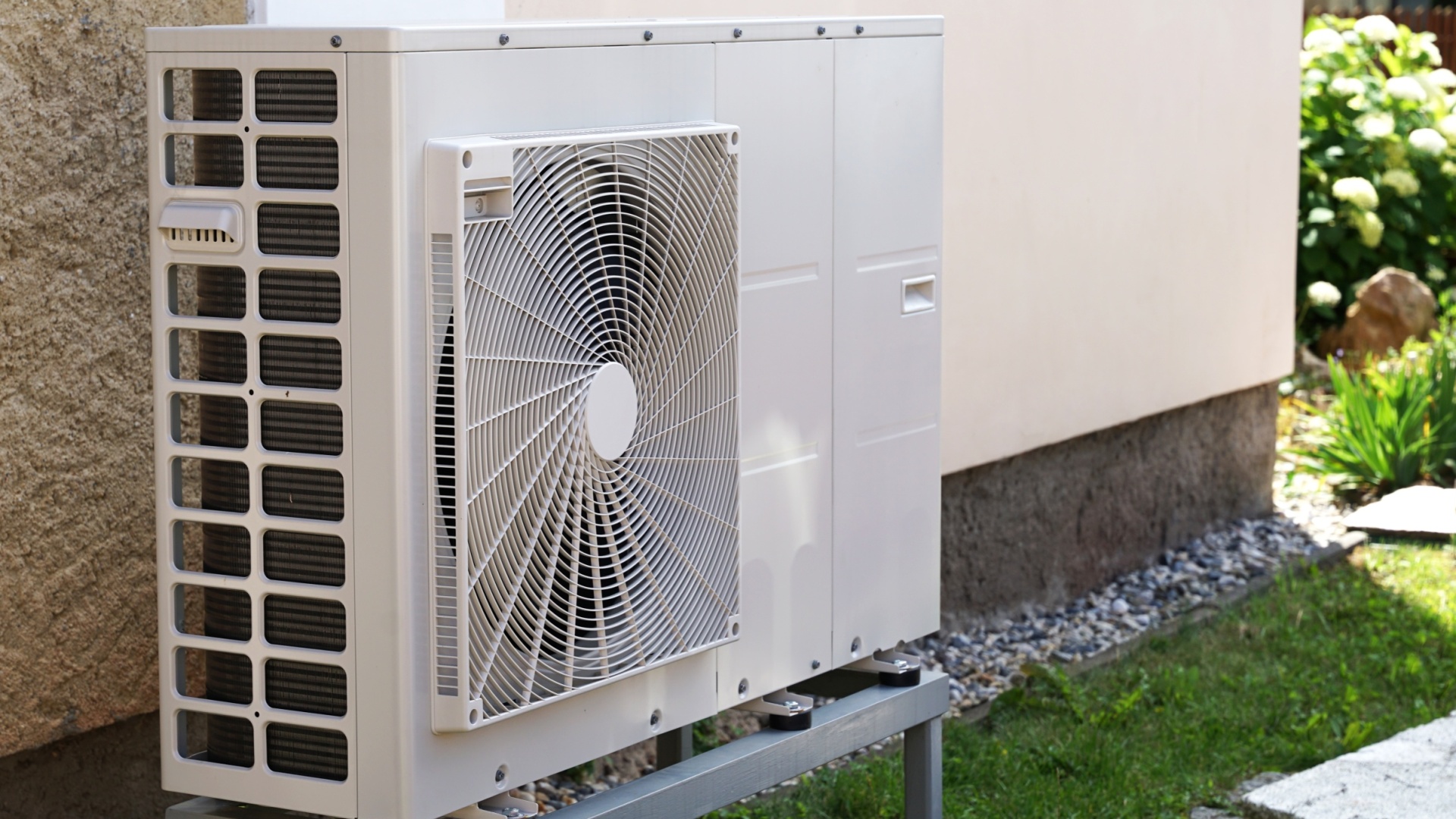
- In the winter, outdoor units run a defrost cycle from time to time, which will lead to ice building under the unit. Avoid installing the outdoor unit in a location that will be affected by ice buildup — for example, near sidewalks, doors, or basement windows. Also, avoid installing the outdoor unit near dryer vents or furnace/HRV/ERV exhausts, since moist air can cause ice buildup on the unit.
- To limit unwanted noise and vibration, install outdoor units on a snow stand on a concrete pad/pavers instead of a wall-mounted bracket. Avoid installing outdoor units near bedrooms when possible.
- For ductless heat pumps, the location and number of indoor heads is critical both for comfort and efficiency.
MAINTENANCE
Finally, following some simple maintenance routines will ensure your heat pump will continue to perform to its full potential. Here are some simple tips:
- Keep the outdoor unit free of debris, leaves, and snow.
- Clean or replace the filter of the furnace/air handler/indoor units regularly.
- Schedule a maintenance appointment with an HVAC professional regularly (every year or two) to maintain your heat pump and furnace/air handler.
- Schedule professional duct cleanings on a regular basis.