

ENERGY, COST & EMISSIONS
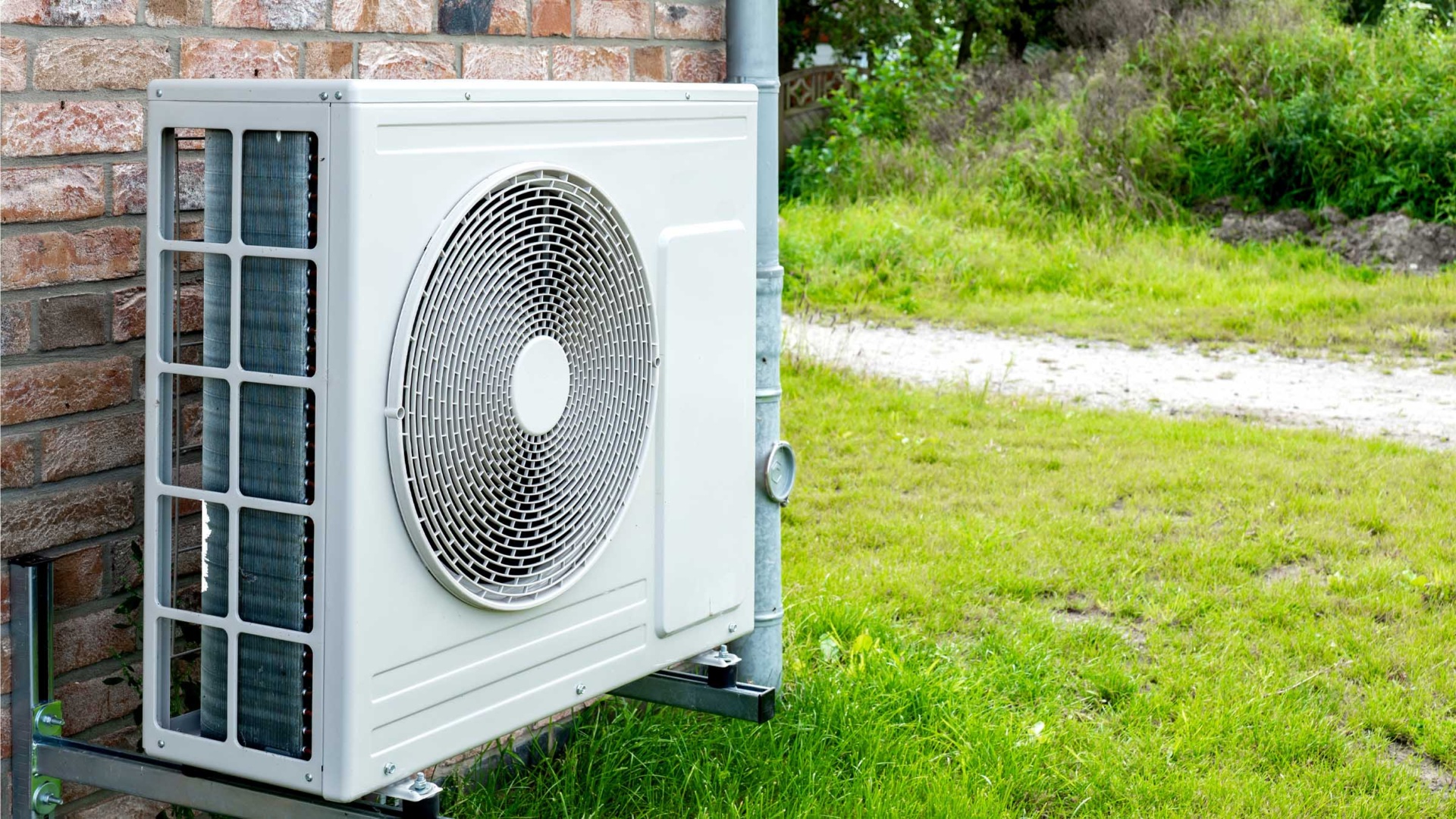
In dual-fuel systems, your cold climate air source heat pump will provide all your cooling needs but will share the responsibility for heating with your natural gas furnace. The heat pump can be set to operate when it’s most efficient and cost effective, typically switching over to the furnace at a pre-set, moderately cold temperature such as –10°C or –15°C.
As with any energy efficiency upgrade, it’s important to determine if a cold climate air source heat pump is right for you. You should identify and prioritize your objectives, such as recurring energy costs, the upfront cost of the system, and greenhouse gas (GHG) emissions.
ENERGY
Electricity and natural gas are the most common forms of energy used in Manitoba for heating. The amount of energy your home needs for heating is generally determined by the level of insulation and airtightness of your exterior walls, roof, windows, doors, and foundation. These components create the building envelope or enclosure of your home. The efficiency of your heating, ventilation, and air conditioning (HVAC) equipment also matters; a more efficient HVAC system will use less energy.
We recommend taking an efficiency-first approach — that is, making upgrades to your building envelope to ensure your home is as energy-efficient as possible before upgrading your heating and cooling system. This will lower your heating and cooling loads so you can install smaller and less expensive mechanical systems.
| Coefficient of Performance (COP) |
| A measure of heat pump efficiency, Coefficient of Performance (COP) is the ratio of the energy transferred to or from the home over the energy consumed by the heat pump. For example, a COP of 1.8 means that the heat pump delivers 80% more energy to the home than it consumes in electricity. |
COST
| Energy consumption & billing |
| In Manitoba, energy consumption is measured in kilowatt-hours (kWh) for electricity and cubic metres (m³) for natural gas. You can review your home’s energy consumption and costs through your Manitoba Hydro MyBill account. |
EMISSIONS
Greenhouse gas (GHG) or carbon emissions are related to the environmental impact of the energy we use. Most of Manitoba’s electricity, for example, comes from renewable sources such as hydroelectricity. Non-renewable fossil fuel sources, such as natural gas, typically have much higher emissions intensity.
Manitoba’s electricity has a very low emissions intensity at 2 g CO2e/kWh, whereas natural gas is 1,915 g CO2e/m3 (185 g C02e/kWh). This means natural gas emissions are approximately 90 times higher per unit of energy consumed than electricity, making it a much larger contributor to the global climate crisis.
BALANCING ENERGY, COST & EMISSIONS PRIORITIES
Determining if a dual-fuel cold climate air source heat pump system is right for you starts with prioritizing what’s more important to you: reducing energy consumption, reducing energy bills, or reducing emissions.
In general, as long as a cold climate air source heat pump is sized and set up appropriately, it’ll reduce your overall annual energy consumption. Although a heat pump’s efficiency decreases with lower outdoor air temperature, an air source heat pump is required to have a COP of 1.8 or greater at an outdoor temperature of -15°C to be rated as “cold climate.” Some have COPs greater than 1 at much lower outdoor temperatures.
When it comes to cost, the decision to install a cold climate air source heat pump gets more nuanced. As outdoor air temperature decreases, the operating cost effectiveness also decreases.
For those who currently heat their home with electricity, the answer is fairly straightforward: since cold climate air source heat pumps are more efficient than electric resistance furnaces, boilers, and baseboard heaters, installing a heat pump should lead to both energy and cost savings. The same is true for people who heat their homes with propane or fuel oil, since these are typically more expensive heating fuels.
On the other hand, those who have a natural gas furnace or boiler typically won’t see their energy bill decrease significantly by installing a cold climate air source heat pump. In fact, depending on sizing, setup, and usage, their energy bills could actually increase. This is because the cost of natural gas on an energy basis is significantly less than electricity. So even though heat pumps are more efficient, they’re using a more expensive form of energy.
The impact a heat pump has on your energy bill can vary significantly depending on the factors mentioned earlier: sizing, selection, and setup. We explore this more in our Sizing, selection & setup article.
When it comes to emissions, cold climate air source heat pumps outperform electric resistance heating systems because they’re more efficient. However, the impact is relatively small due to Manitoba’s low carbon intensity electric grid. When a heat pump is installed in place of or alongside a natural gas furnace, using the heat pump reduces natural gas consumption and greatly reduces emissions, benefitting from both efficiency and low-carbon electricity. The same is true for homes that currently heat with propane or fuel oil, making dual-fuel systems a win for emissions reductions.
Are you ready to learn more about dual-fuel cold climate air source heat pumps? Check out our Sizing, selection & setup article to learn more.